
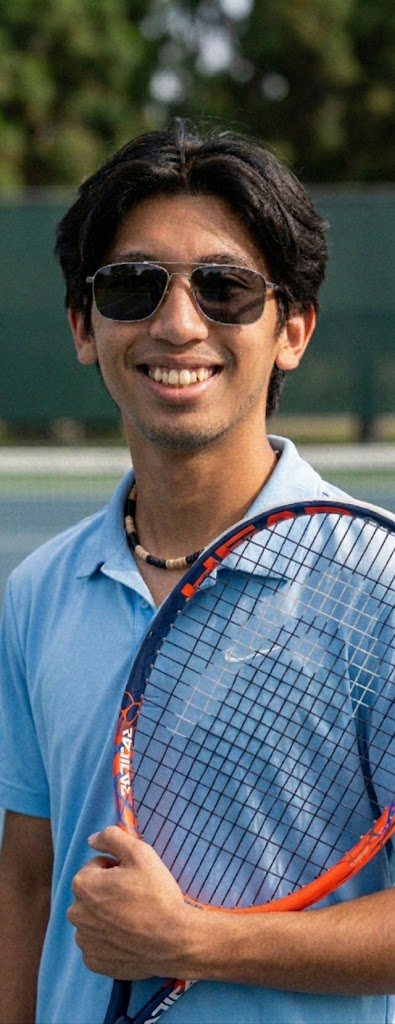
About the coach
Meet Poom
My name is Poom. I picked up a tennis racquet when I was six years old, mostly because I was a chunky kid at the time and my mom threw me into the sport hoping it would pull me away from my video games. Her plan was for me to choose tennis over screens, but I really just ended up doing both.
I caught on to the game quickly. By age 10 I was competing in USTA tournaments and regularly playing up in the 12s and 14s divisions. When I was 14, I started coaching part-time with my former coach at Berkeley Hall School just to make some extra money. Two years later I was finding my own personal clients, built a sizable group back then, and I have been coaching ever since.
As a player, I was convinced the pro tour was my only path, so I skipped college entirely to pursue tennis. I played my first ITF event at 15 and eventually made it into a handful of tournaments on the ATP Challenger tour. Along the way I became a hitting partner for tour-level pros, which changed how I see the game completely.
What stuck was the coaching. I've been teaching since I was 14, and today I bring everything I learned from juniors, the pro tour and years around world-class players to courts across greater Los Angeles. I come to you.
01The story so far
From USTA juniors to the Challenger tour to your court.
Skipping college to chase the tour meant living the sport full time: ITF draws, Challenger qualifying, and long stretches of training between events.
The turning point came when I was 19, when I tore my rotator cuff at a Challenger event in Taiwan. The physical rehab honestly wasn't that bad, but the injury took away my competitive drive. I realized I didn't want to grind my way back on tour, so I stepped away from playing professionally.
I never left the sport, though. Over the years I transitioned fully into coaching. Sharing the court with high-level pros and their coaches gave me a completely different perspective on what it takes to succeed at the highest level, and today I combine that experience with the hands-on coaching background I've been building since I was a teenager to help my clients get the most out of their game.
- Age 6First racquetA chunky kid gets sent to the tennis court to get away from video games. The screens never fully left, but tennis won.
- Age 10USTA competitionCompeting in USTA tournaments and regularly playing up in the 12s and 14s divisions.
- Age 14First coaching jobCoaching part-time at Berkeley Hall School for extra money, then building a sizable group of personal clients within two years.
- Age 15First ITF eventSkipping college to chase the pro tour, playing a first ITF event and eventually reaching ATP Challenger tournaments.
- Age 19The turning pointA torn rotator cuff at a Challenger in Taiwan. The rehab was fine; the competitive drive was gone. Playing professionally ended, coaching took over.
- TodayFull-time coachMore than a decade of hands-on coaching, shaped by years around tour-level players and their coaches, brought to courts across Los Angeles.
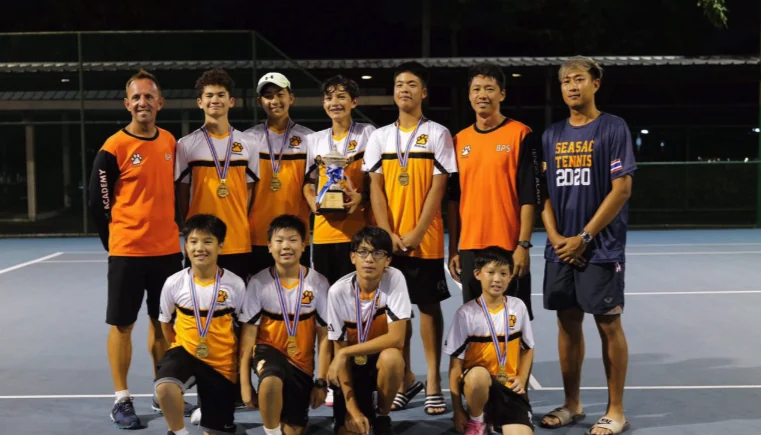
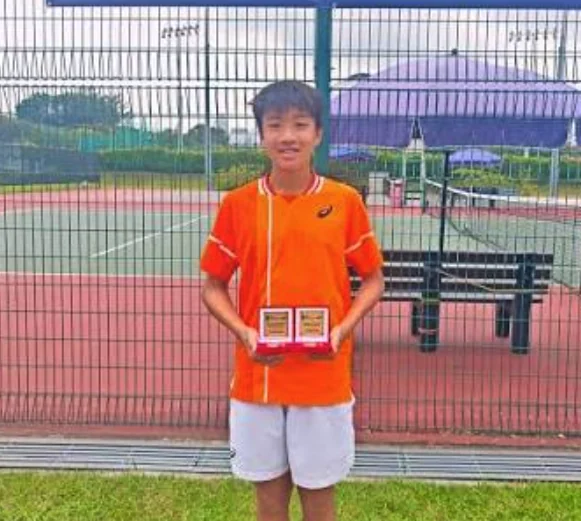
ARCHIVETeam years
Time spent learning, competing and growing with a team.
02At the highest level
Hitting partner to some of the best in the world.
Throughout my playing years I coached in my free time and traveled to watch pro players whenever I could. Along the way I became a hitting partner for high-level pros, including:
Andrey Rublev
Tour-level pro
Kei Nishikori
Tour-level pro
Daniil Medvedev
Tour-level pro
Naomi Osaka
Tour-level pro
Victoria Azarenka
Tour-level pro
Working at that pace changes how you see the game. The margins, the patterns, the way pros build points: all of it feeds directly into how I coach players at every level.
03Coaching philosophy
Know why it works.
Fundamentals first: grip, contact point, balance, recovery. Almost every problem further up the chain traces back to one of those.
Instruction adapts to the player. Two people with the same "bad backhand" rarely need the same fix, and copying a pro's swing rarely survives contact with a real ball.
Drills are a means, not the point. If you can explain why we changed something, the change tends to stick once I'm not standing there.
04What I want players to leave with
- More consistency than you walked on with
- Movement and positioning that buy you time
- Confidence built on actual improvement, not pep talks
- A clear idea of what to practice on your own
- Practice that shows up in real matches
- A reason to want the next session